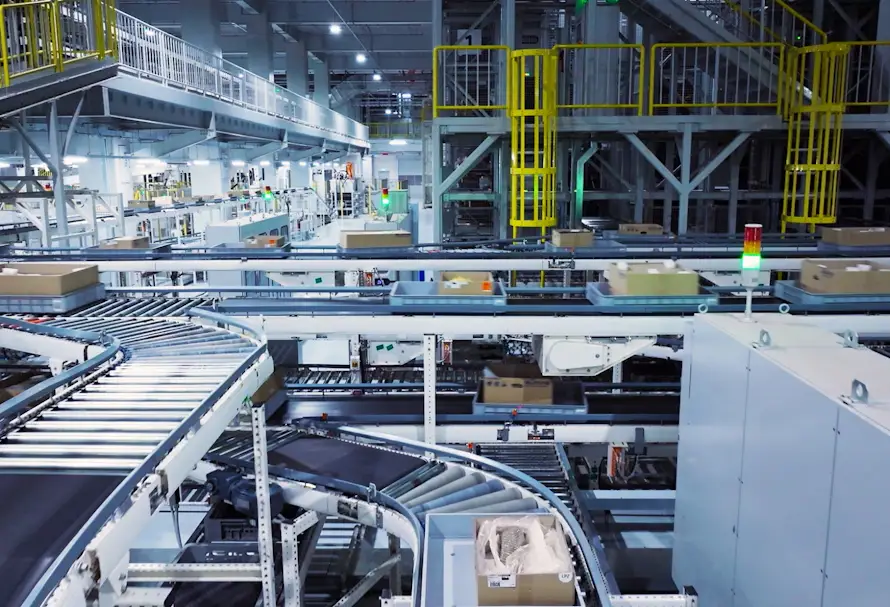


AI automation for UK businesses is transforming the way companies operate, making them more efficient and competitive in their respective markets. By leveraging artificial intelligence and machine learning, businesses can automate repetitive tasks, enhance customer experiences, and gain valuable insights to inform strategic decisions. As the UK continues to navigate the complexities of a post-Brexit economy, embracing AI automation can be a crucial step for businesses seeking to thrive in this new landscape.
The potential benefits of AI automation are vast and varied, ranging from improved productivity and reduced costs to enhanced innovation and competitiveness. However, for many UK businesses, the journey to AI automation can seem daunting, particularly for those without extensive experience in AI and machine learning. This is where partnering with an experienced AI automation agency can make all the difference, providing businesses with the expertise and support they need to successfully integrate AI automation into their operations.
Despite the many advantages of AI automation, there are still concerns among some UK business owners about the feasibility and cost-effectiveness of implementing such solutions. These concerns are understandable, given the significant investments often required to develop and deploy AI automation systems. Nevertheless, for forward-thinking businesses ready to embrace the future of work, the rewards of AI automation far outweigh the costs. In this blog post, we will delve into the world of AI automation for UK businesses, exploring its benefits, challenges, and the role that AI automation agencies play in helping companies achieve their automation goals.
Understanding AI Automation and Its Applications
Introduction to AI Automation
AI automation refers to the use of artificial intelligence and machine learning algorithms to automate business processes, enhancing efficiency, reducing manual errors, and improving overall performance. This technology has the potential to revolutionize almost every aspect of a business, from customer service and marketing to supply chain management and financial analysis. For UK businesses, adopting AI automation can be a strategic move to stay ahead of the competition, especially in sectors where margins are tight and the need for innovation is high.
The applications of AI automation are diverse and continue to expand as the technology advances. In customer service, for example, chatbots and virtual assistants powered by AI can provide 24/7 support, answering frequent queries and helping to resolve simple issues without the need for human intervention. In marketing, AI-driven tools can analyze customer data, predict buying behaviors, and personalize marketing campaigns to maximize their impact. These are just a few examples of how AI automation can transform business operations, but the possibilities extend far beyond these areas.
One of the key benefits of AI automation is its ability to process and analyze large volumes of data quickly and accurately. This capability is particularly valuable in industries such as healthcare and finance, where data-driven decisions are critical. By automating data analysis, businesses can uncover new insights, identify trends, and make informed decisions faster than ever before. Moreover, AI automation can help mitigate risks by detecting anomalies and potential threats in real-time, allowing for swift action to be taken to protect the business.
For UK businesses considering AI automation, it’s essential to start by identifying areas where automation could have the most significant impact. This might involve assessing current workflows, pinpointing bottlenecks, and evaluating where AI could enhance efficiency or improve customer experiences. By taking a strategic approach to AI automation, businesses can ensure that their investments yield the desired outcomes and contribute to long-term success.
Overcoming Challenges in AI Automation Implementation
While the benefits of AI automation are undeniable, implementing these solutions is not without its challenges. One of the primary hurdles UK businesses face is the initial investment required to develop and deploy AI automation systems. This can be a significant barrier, especially for smaller businesses or those with limited budgets. Additionally, there may be concerns about the integration of AI automation with existing systems and the potential for job displacement as automation takes over certain tasks.
Addressing these challenges requires careful planning and a thoughtful approach to implementation. Businesses should work closely with AI automation experts to design solutions that are tailored to their specific needs and goals. This might involve starting with small-scale pilots to test the waters, before scaling up to larger deployments. It’s also crucial to communicate clearly with employees about the role of AI automation and how it will complement their work, rather than replace them.
Another critical aspect of successful AI automation implementation is data quality. AI algorithms are only as good as the data they are trained on, so it’s vital to ensure that data is accurate, comprehensive, and well-maintained. This may necessitate investing in data cleansing and preparation, as well as implementing robust data governance policies to safeguard sensitive information.
Finally, UK businesses must consider the ethical implications of AI automation. As AI systems make decisions that affect customers, employees, and the broader community, it’s essential to ensure that these decisions are fair, transparent, and accountable. This involves building ethical considerations into the design of AI automation systems from the outset, rather than treating them as an afterthought.
The Role of AI Automation Agencies in Supporting UK Businesses
Expertise and Guidance
For many UK businesses, the process of adopting AI automation can be complex and overwhelming, particularly for those without in-house expertise in AI and machine learning. This is where AI automation agencies come into play, offering specialized knowledge and guidance to help businesses navigate the journey to automation. These agencies can provide a range of services, from initial consultation and strategy development to solution design, deployment, and ongoing support.
One of the key advantages of working with an AI automation agency is the access it provides to a team of experienced professionals who understand the nuances of AI technology and its applications. These experts can help UK businesses identify the most promising areas for automation, design tailored solutions that meet specific needs, and ensure seamless integration with existing systems. Moreover, AI automation agencies often have established partnerships with leading technology providers, which can facilitate access to the latest tools and platforms.
Another significant benefit of partnering with an AI automation agency is the potential for cost savings. While the initial investment in AI automation may seem prohibitive, working with an agency can help spread the cost over time, making it more manageable for businesses with limited budgets. Additionally, by leveraging the agency’s expertise, businesses can avoid costly mistakes and ensure that their AI automation projects are completed efficiently and effectively.
For UK businesses seeking to stay at the forefront of innovation, collaborating with an AI automation agency can also provide a competitive edge. These agencies are continually updating their knowledge and skills to keep pace with the latest advancements in AI and machine learning, which means that the businesses they partner with can also benefit from this expertise. Whether it’s exploring new applications for AI automation or refining existing processes, the support of an experienced agency can be invaluable.
Customized Solutions for Diverse Business Needs
No two businesses are alike, and the needs of UK companies vary widely depending on their size, sector, and specific challenges. AI automation agencies recognize this diversity and offer customized solutions designed to address the unique requirements of each client. This might involve developing bespoke AI algorithms, integrating AI automation with legacy systems, or creating user-friendly interfaces to enhance adoption and usability.
One of the strengths of AI automation agencies is their ability to adapt to different business contexts. For example, a retail business might require AI automation solutions focused on customer service and supply chain optimization, while a financial services company might need solutions tailored to risk management and regulatory compliance. By understanding these different needs, AI automation agencies can deliver targeted support that helps businesses achieve their specific goals.
In addition to their technical expertise, AI automation agencies often bring a collaborative approach to their work with UK businesses. This involves working closely with clients to understand their vision, challenges, and aspirations, and then using this insight to develop AI automation strategies that align with their overall business objectives. Through this collaborative process, businesses can ensure that their AI automation projects are not only technically sound but also strategically relevant and aligned with their long-term plans.
Ultimately, the success of AI automation for UK businesses depends on the ability to harness the power of AI and machine learning in a way that is both effective and sustainable. By partnering with an experienced AI automation agency, businesses can tap into the expertise and resources they need to achieve this goal, thereby positioning themselves for success in an increasingly competitive and automated business environment.
Future Perspectives and Opportunities for AI Automation in the UK
Evolving Trends and Technologies
The landscape of AI automation is continually evolving, with new trends and technologies emerging all the time. For UK businesses, staying informed about these developments is crucial to maximizing the potential of AI automation and ensuring that their investments remain relevant and effective. One of the key trends currently shaping the future of AI automation is the increasing use of cloud computing and edge computing, which are enabling faster, more secure, and more efficient deployment of AI solutions.
Another area of significant growth is the integration of AI with the Internet of Things (IoT), which is opening up new possibilities for automation in areas such as manufacturing, logistics, and smart cities. As more devices become connected and start generating vast amounts of data, AI will play a critical role in analyzing this data, identifying patterns, and making decisions in real-time. This convergence of AI and IoT has the potential to revolutionize numerous industries and create new business models that are more responsive, efficient, and customer-centric.
Furthermore, the future of AI automation will be marked by a greater emphasis on ethical considerations and transparency. As AI systems become more pervasive and influential, there will be an increasing need to ensure that they are designed and operated in ways that are fair, accountable, and respectful of human rights. UK businesses adopting AI automation will need to prioritize these ethical dimensions, not just to comply with evolving regulatory requirements but also to maintain trust with their customers, employees, and the broader public.
Despite the challenges and uncertainties associated with the adoption of AI automation, the opportunities for UK businesses are undeniable. By embracing this technology and working closely with AI automation agencies, companies can unlock new levels of efficiency, innovation, and growth, ultimately enhancing their competitiveness in both domestic and international markets. As the UK economy continues to evolve, the ability to leverage AI automation effectively will become an essential factor for business success.
Preparing for an Automated Future
To prepare for an automated future, UK businesses must start by developing a clear understanding of how AI automation can support their strategic objectives. This involves assessing current operations, identifying areas ripe for automation, and envisioning how AI can enhance customer experiences, improve operational efficiency, and drive business growth.
Investing in employee training and development will also be crucial, as the skills required to work effectively with AI automation systems are likely to differ from those needed in traditional business environments. By upskilling their workforce, businesses can ensure that they have the talent and expertise needed to maximize the benefits of AI automation and navigate the challenges that come with it.
In addition, UK businesses should prioritize collaboration and knowledge-sharing, both within their organizations and across industries. The journey to AI automation is not one that businesses need to undertake alone; by sharing experiences, best practices, and lessons learned, companies can accelerate their progress and contribute to the development of a vibrant, supportive community of AI automation adopters.
Finally, as AI automation continues to advance and permeate every aspect of business and society, UK companies must remain agile and adaptable, ready to respond to new opportunities and challenges as they emerge. This agility will be key to navigating the complex, dynamic landscape of AI automation and ensuring that businesses remain at the forefront of innovation and competitiveness.
Conclusion
In conclusion, AI automation for UK businesses represents a transformative opportunity to enhance efficiency, drive innovation, and gain a competitive edge in the market. As the UK navigates the challenges and opportunities of the digital age, embracing AI automation can be a strategic move to future-proof businesses and ensure their long-term success. However, realizing the full potential of AI automation requires careful planning, collaboration with experienced partners, and a commitment to ongoing learning and adaptation.
For businesses seeking to embark on this journey, partnering with a leading AI automation agency like Oyik.AI can provide the expertise, support, and guidance needed to navigate the complexities of AI automation. With a deep understanding of the UK business landscape and a proven track record of delivering successful AI automation projects, Oyik.AI is well-positioned to help companies achieve their automation goals and thrive in an increasingly automated world.
If you’re ready to explore how AI automation can transform your business, we invite you to get in touch with Oyik.AI today. Our team of experts is eager to discuss your unique needs and challenges, and to explore how our AI automation solutions can help you achieve your strategic objectives. Visit https://oyik.ai/contact-us/ to start your journey to AI automation and discover a future where technology and business come together to drive growth, innovation, and success.