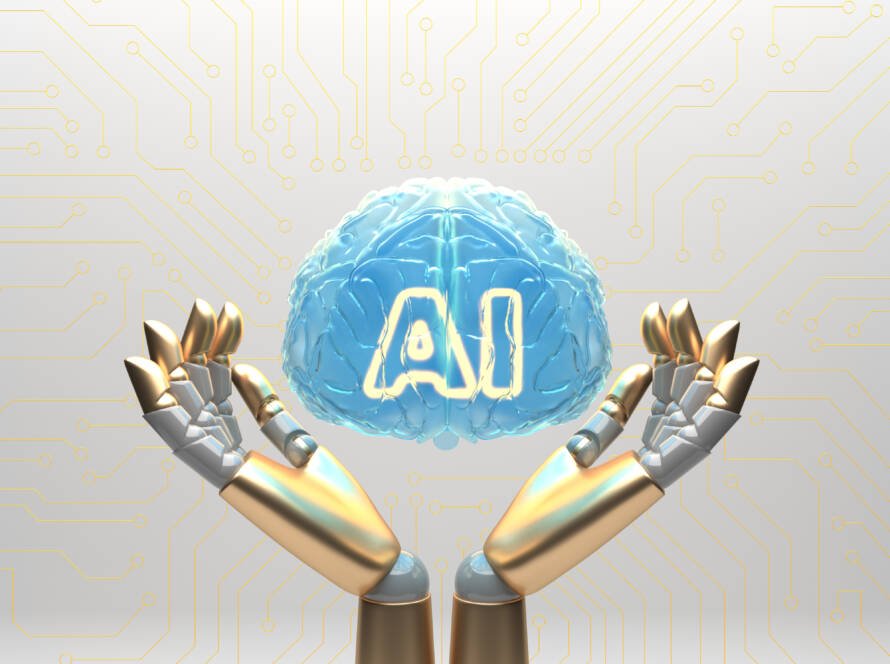


Breaking down what is AI automation is essential for UK businesses looking to stay ahead of the curve. A Leicester-based SME, for example, can greatly benefit from AI automation by streamlining its operations and improving customer service. AI automation refers to the use of artificial intelligence to automate business processes, making them more efficient and reducing the need for human intervention. This technology has the potential to revolutionize the way businesses operate, and it’s essential for UK businesses to understand its capabilities and limitations.
The use of AI automation in business is not a new concept, but it has gained significant traction in recent years. With the advancement of technology, AI automation has become more accessible and affordable for businesses of all sizes. From automating customer service to streamlining supply chain management, AI automation can help businesses improve their overall performance and competitiveness. However, it’s essential to note that AI automation is not a one-size-fits-all solution, and businesses need to carefully consider their specific needs and goals before implementing this technology.
As a UK business, it’s crucial to stay up-to-date with the latest developments in AI automation and understand how it can be applied to your specific industry. Whether you’re looking to improve customer service, reduce costs, or increase productivity, AI automation can help you achieve your goals. In this guide, we’ll explore the world of AI automation, its benefits, and its applications in UK businesses. We’ll also discuss the challenges and limitations of AI automation and provide guidance on how to implement this technology effectively.
Understanding AI Automation
What is AI Automation?
AI automation refers to the use of artificial intelligence to automate business processes, making them more efficient and reducing the need for human intervention. This technology uses machine learning algorithms to analyze data, identify patterns, and make decisions. AI automation can be applied to various aspects of business, including:
By automating repetitive and mundane tasks, businesses can free up resources and focus on more strategic and creative activities.
One of the key benefits of AI automation is its ability to improve accuracy and reduce errors. Human error can be costly and time-consuming, but AI automation can help minimize the risk of mistakes. Additionally, AI automation can help businesses process large amounts of data quickly and efficiently, providing valuable insights and insights that can inform decision-making. With the use of AI automation, businesses can also improve their customer service, providing 24/7 support and personalized experiences.
Types of AI Automation
There are several types of AI automation, including AI Voice & Chat Agents, Autonomous AI Agents, and Workflow Automation. Each type of AI automation has its unique benefits and applications, and businesses need to carefully consider their specific needs and goals before implementing this technology. For example, a business looking to improve its customer service may consider using AI voice and chat agents, while a business looking to streamline its operations may consider using workflow automation.
AI automation can also be used to improve System Integration, enabling businesses to integrate different systems and applications seamlessly. This can help businesses improve their overall efficiency and productivity, reducing the need for manual data entry and minimizing the risk of errors. With the use of AI automation, businesses can also improve their AI Marketing Automation, providing personalized experiences and improving customer engagement.
Solving Business Challenges
Improving Efficiency and Productivity
One of the primary challenges that businesses face is improving efficiency and productivity. With the use of AI automation, businesses can automate repetitive and mundane tasks, freeing up resources and focusing on more strategic and creative activities. For example, Tesco has used AI automation to streamline its supply chain management, improving the speed and accuracy of order fulfillment. According to a recent study, UK businesses that have implemented AI automation have seen an average increase of 20% in productivity and a 15% reduction in costs.
Another challenge that businesses face is providing excellent customer service. With the use of AI automation, businesses can provide 24/7 support and personalized experiences, improving customer satisfaction and loyalty. For example, Marks and Spencer has implemented AI-powered chatbots to automate customer interactions, providing personalized messages and offers. This can help businesses improve their customer engagement and retention, reducing the risk of churn and improving overall revenue.
Enhancing Decision-Making
AI automation can also help businesses enhance their decision-making capabilities. By analyzing large amounts of data, AI automation can provide valuable insights and patterns, informing business decisions and strategies. Major UK companies are leveraging this technology:
With the use of AI automation, businesses can also improve their AI Growth Consultancy, providing personalized advice and guidance on how to improve business performance.
Additionally, AI automation can help businesses improve their our services, enabling them to provide more personalized and efficient experiences. By automating repetitive and mundane tasks, businesses can focus on more strategic and creative activities, improving their overall performance and competitiveness. With the use of AI automation, businesses can also improve their scalability and flexibility, enabling them to respond quickly to changing market conditions and customer needs.
Future Outlook for UK Firms
Embracing AI Automation
The future outlook for UK firms is exciting, with AI automation playing a major role in shaping the business landscape. As AI automation continues to evolve and improve, businesses will need to adapt and innovate to stay ahead of the curve. One of the key trends that we can expect to see is the increased use of AI automation in customer service, with businesses using chatbots and virtual assistants to provide 24/7 support and personalized experiences.
Another trend that we can expect to see is the increased use of AI automation in System Integration, enabling businesses to integrate different systems and applications seamlessly. This will help businesses improve their overall efficiency and productivity, reducing the need for manual data entry and minimizing the risk of errors. PwC estimates that AI could contribute up to £232 billion to the UK economy by 2030. With the use of AI automation, businesses will also be able to improve their AI Marketing Automation, providing personalized experiences and improving customer engagement.
Preparing for the Future
To prepare for the future, UK businesses need to start investing in AI automation today. This can involve exploring different types of AI automation, such as AI Voice & Chat Agents and Autonomous AI Agents. Businesses also need to consider their specific needs and goals, identifying areas where AI automation can have the greatest impact. McKinsey research shows that companies adopting AI automation early gain a significant competitive advantage, improving their overall performance and competitiveness, reducing the risk of disruption and improving their chances of success.
Additionally, businesses need to consider the skills and training required to implement and maintain AI automation. This can involve investing in employee training and development, as well as partnering with AI automation experts to provide guidance and support. Accenture reports that 54% of UK businesses plan to increase AI investment over the next three years. By preparing for the future, UK businesses can stay ahead of the curve and thrive in a rapidly changing business landscape. With the use of AI automation, businesses can also improve their AI Growth Consultancy, providing personalized advice and guidance on how to improve business performance.
Conclusion
In conclusion, AI automation is a powerful technology that can help UK businesses improve their efficiency, productivity, and competitiveness. By understanding the different types of AI automation and their applications, businesses can start to explore how this technology can be used to drive growth and innovation. At Oyik.AI, we are committed to helping UK businesses navigate the world of AI automation, providing expert guidance and support to help them achieve their goals.
Whether you’re looking to improve customer service, streamline operations, or enhance decision-making, AI automation can help. With its ability to automate repetitive and mundane tasks, AI automation can free up resources and enable businesses to focus on more strategic and creative activities. As a UK business, it’s essential to stay up-to-date with the latest developments in AI automation and consider how this technology can be applied to your specific industry.
If you’re interested in learning more about AI automation and how it can benefit your business, contact us today to speak with one of our experts. We’ll be happy to provide guidance and support to help you get started on your AI automation journey.
Frequently Asked Questions
Q: How much does it cost to implement AI automation in a UK business?
A: The cost of implementing AI automation varies depending on the size of your business and the complexity of the solution. Small businesses can start with basic chatbot solutions for as little as £500-£2,000 per month, while enterprise-level implementations at companies like Tesco or HSBC can range from £50,000 to several million pounds. Many AI automation providers offer scalable solutions that grow with your business needs.
Q: Will AI automation replace human jobs in my company?
A: AI automation is designed to complement human workers, not replace them entirely. While it automates repetitive and mundane tasks, it frees up employees to focus on higher-value activities like strategic planning, creative problem-solving, and customer relationship building. Companies like Marks and Spencer and Lloyds Bank have successfully implemented AI automation while retraining staff for more strategic roles.
Q: How long does it take to see results from AI automation?
A: Most UK businesses begin seeing measurable results within 3-6 months of implementing AI automation. Quick wins like improved customer response times can be seen within weeks, while more substantial benefits such as the 20% productivity increase and 15% cost reduction typically materialize within 6-12 months. The timeline depends on the scope of implementation and how well the solution is integrated into existing workflows.