

Many businesses today use dozens of tools — CRMs, payment systems, marketing apps, and databases. While each tool has its strengths, problems arise when they don’t communicate with one another. That’s where system integration comes in.
System integration Services is the process of connecting your technology into one unified ecosystem. Instead of operating in silos, your tools work together, sharing data and automating processes. The result? Faster operations, fewer errors, and smarter decision-making.
When systems aren’t integrated, businesses face common challenges. Data entry has to be repeated, information gets lost, and teams work with outdated data. This not only wastes time but also affects customer experiences. Imagine a customer updating their details in one system, but your sales team still using the old information because it wasn’t synced across platforms.
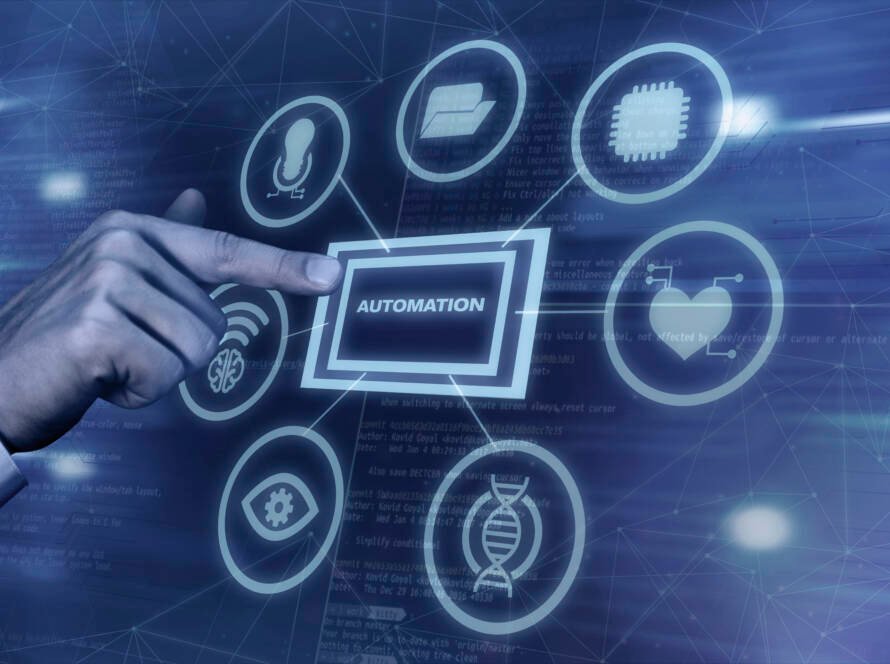
By unifying systems, businesses create a “single source of truth.” Data flows seamlessly, teams collaborate better, and reporting becomes more accurate. Integration also opens the door to automation. Once your systems are connected, workflows like lead capture, order processing, or customer support can run automatically.
For startups and SMEs, system integration Services is particularly valuable. It reduces costs by eliminating unnecessary manual work, while also boosting agility. Businesses can adapt faster to market changes because they’re not bogged down by inefficient processes.
In today’s digital-first world, system integration isn’t optional — it’s a must-have for efficiency and growth. Companies that embrace it gain a competitive advantage by delivering faster, more reliable services.